From manual to manageable.
How Ahram Security Group re-engineered its Order-to-Cash and Procure-to-Pay processes, with a clearer view of the gaps and a practical roadmap for what comes next.
Turning a complex operating reality into a clear plan
In September 2026, Ahram Security Group (ASG) and Symbios Consulting Group closed a comprehensive Business Process Re-engineering engagement spanning two essential value chains: Order-to-Cash (O2C) and Plan-to-Produce / Procure-to-Pay (P2P).
Over 34 project weeks, three Symbios consultants worked alongside 65 contributors from ASG’s Supply Chain, Sales, Finance, Marketing, Procurement, Quality, Engineering, Operations and Production functions. The teams examined how work actually moved across the organization, recorded the current processes and designed practical future-state processes aligned with the existing ERP environment.
process maps
actions completed
contributors
gaps prioritized
The diagnostic produced two Statements of Requirements, five updated Standard Operating Procedures and 19 As-Is/To-Be gap analyses. Its central conclusion was consequential: the existing Oracle E-Business Suite platform did not need to be replaced as the default answer to the problems identified. Configuration, governance, process discipline and adoption required attention first.
The figures above describe completed diagnostic and design work; they are not claims of realized savings or completed technology deployment.
When business growth outpaces the way work gets done
ASG had developed substantial commercial and manufacturing capabilities. Yet core transactions still depended heavily on manual processes. Demand forecasts lived in spreadsheets. Sales orders moved through emailed attachments. Purchasing decisions were not consistently supported by financial governance.
These fragmented practices reduced visibility and control across functions. The central question for the partnership was straightforward: where exactly was the friction, and what would it take to remove it?
The engagement aimed to streamline the core processes, improve efficiency and cost discipline, increase visibility for management decisions, strengthen supply-chain resilience, standardize execution and improve cross-functional alignment. It also sought to support digital transformation and align ERP modules with KPIs and governance frameworks.
- Streamline Order-to-Cash and Plan-to-Produce.
- Enhance operational efficiency and reduce cost.
- Improve visibility and management decisions.
- Increase supply-chain resilience.
- Ensure consistent execution across teams and locations.
- Strengthen cross-functional alignment.
- Support digital transformation and end-to-end visibility.
- Align ERP modules with KPIs and governance frameworks.
Understand the current state. Design what comes next.
Symbios structured the work around Discovery and Design. The goal was not to produce an abstract technology wish list, but to establish a documented picture of existing processes and a usable set of requirements for future decisions.
01 Discovery
- Review the As-Is state of Order-to-Cash and Plan-to-Produce.
- Assess ERP compatibility and future adaptation needs.
- Document the processes in full.
02 Design
- Update As-Is maps and document disconnects and gaps.
- Produce two Statements of Requirements to guide future ERP decisions and implementation.
- Develop To-Be maps and update SOPs, KPIs and SLAs.
The engagement ultimately ran for 34 weeks against an original 18-week estimate, reflecting the deeper diagnostic work required once the extent of manual process dependencies became visible. The teams completed 34 of 34 planned actions and held 67 project events—meetings and workshops—with 42 hours logged.
Across the 44 process maps, 22 documented the As-Is state and 22 described the To-Be state. Participation extended across nine functions: Supply Chain (27%), Sales (19%), Finance (15%), Marketing (11%), Procurement (10%), Quality (6%), Engineering (5%), Operations (5%) and Production (2%).
Plan-to-Produce: five critical points of friction
The Plan-to-Produce workstream followed the cycle from demand planning through performance analytics. It generated 20 process maps—10 As-Is and 10 To-Be—and confirmed 19 process disconnects, five of which were classified as high-severity.
Demand planning Forecasting was wholly manual and spreadsheet-led, without statistical models or automated extraction of ERP, CRM or POS inputs. Demand signals were distorted, with excess stock and stockouts appearing across SKUs.
Supply planning (MPS/MRP) MRP operated without capacity awareness—no RCCP/CRP—contributing to overloaded schedules and emergency expedites.
Production scheduling Daily plans were manually extracted into separate work-centre files, creating delays between planning decisions and shop-floor execution.
Sourcing and purchasing governance Capital commitments proceeded with limited financial scrutiny; committee review was typically triggered only in exceptional circumstances.
OSP nesting and purchasing cycle The workflow involved 31 separate manual steps spanning Planning, Purchasing, Logistics and Finance. The diagnostic identified it as a significant opportunity for improvement relative to effort.
Oracle EBS was already in place. The priority was to configure and operate it more effectively across planning, capacity and performance—supported by stronger process discipline.
Order-to-Cash: restoring visibility across the commercial cycle
The team traced the commercial journey from lead management to collection. Across 24 process maps—12 As-Is and 12 To-Be—it identified 15 disconnects, including five high-severity gaps.
CRM and pipeline visibility No CRM system was in place to provide structured lead tracking, unique identifiers or win/loss data, limiting the basis for revenue forecasting.
Order entry and sales-order creation Excel order templates were emailed to Order Management, without real-time available-to-promise checks.
Pricing, discounting and CPQ governance Quotes were prepared manually as PDFs, while discount approvals relied on informal email exchanges and lacked a consistent audit trail.
Credit control and accounts receivable Credit holds were applied manually rather than through automated threshold monitoring, allowing exposure to build before intervention.
New product introduction A consistent gate-review framework and ECR/ECN process had not been established.
The diagnostic found gaps in CRM, CPQ and analytics capabilities. A commercial visibility solution would need to be paired with governance and behavioral adoption—not treated as software alone.
Commercially sensitive pricing-leakage estimates in the source report have been omitted from this public-facing adaptation pending publication approval.
From the diagnostic to a phased transformation
The completed engagement established a set of proposed actions rather than claiming that the future solutions had already been deployed. Seven actions were prioritized to turn the diagnostic into an implementation program:
- Prioritize CRM go-live as the transformation anchor.
- Establish the NPI Committee and stage-gate framework.
- Approve a formal Returns Policy and RMA framework.
- Configure and activate Oracle ASCP.
- Integrate an OSP nesting engine.
- Issue and enforce a procurement governance policy.
- Establish and track KPIs from Day 1.
The proposed roadmap
Process mining & critical gaps
Discovery, diagnosis, design, delivery and sustain activities—the foundation established through this engagement.
Planning & activation
Statistical forecasting, capacity planning, scheduling automation and SLAs; Oracle ASCP setup, OSP nesting, procurement governance and KPI baselines; CRM deployment, early NPI gates, returns policy and automated credit controls.
Rollout & optimization
Blind receiving, WIP automation, dashboards and continuous improvement; OTBI reporting, BI Publisher KPIs, contract management and sustained optimization.
Roadmap month ranges overlap as they do in the original September 2026 success-story document. Phases 2 and 3 describe forward-looking activities, not verified completed outcomes.
Better use of existing systems before a costly restart
The lasting value of this engagement was not simply the volume of documentation produced. It was the clarity of the decision now facing ASG: improve configuration, governance and consistent use of the systems already available, while introducing a CRM capability to address the commercial visibility gap.
By working from 44 process maps, 34 completed diagnostic actions and the direct input of 65 contributors, the partnership established a grounded, phased route for future transformation.
“This project marks a significant milestone, achieved through teamwork and commitment. The results provide a strong foundation for continued improvement and future success.”
Closure statement · Symbios Consulting Group × Ahram Security Group · September 2026Symbios and ASG acknowledged the commitment, professionalism and collaboration of the project teams, whose shared work made the completed diagnostic and design deliverables possible.
A foundation for the next chapter
The work transformed dispersed operational observations into a documented picture of where ASG’s processes could improve and a roadmap of proposed actions. The next stage is to translate those requirements into decisions, governance, configuration and sustained adoption.
The people behind the work
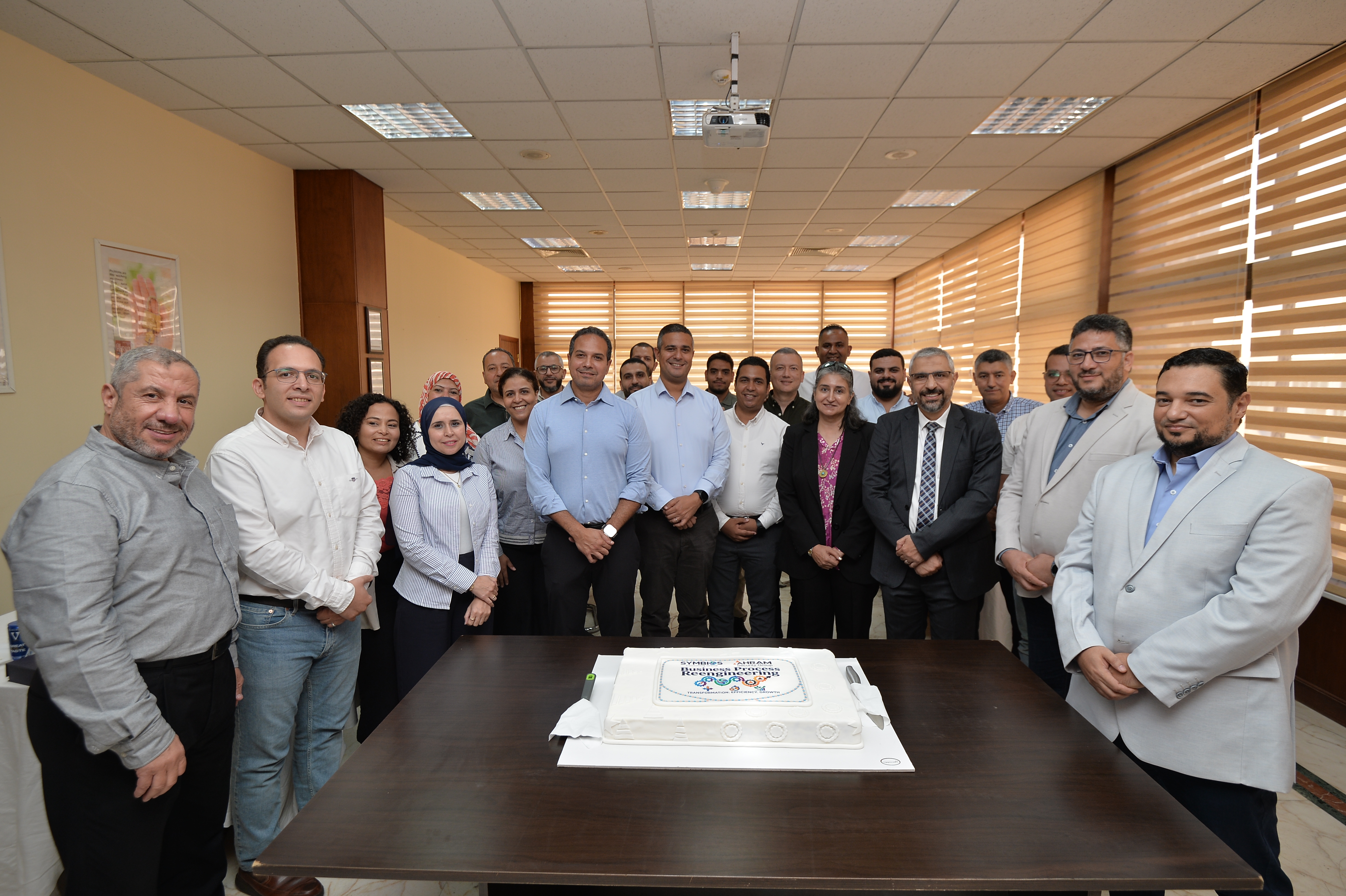
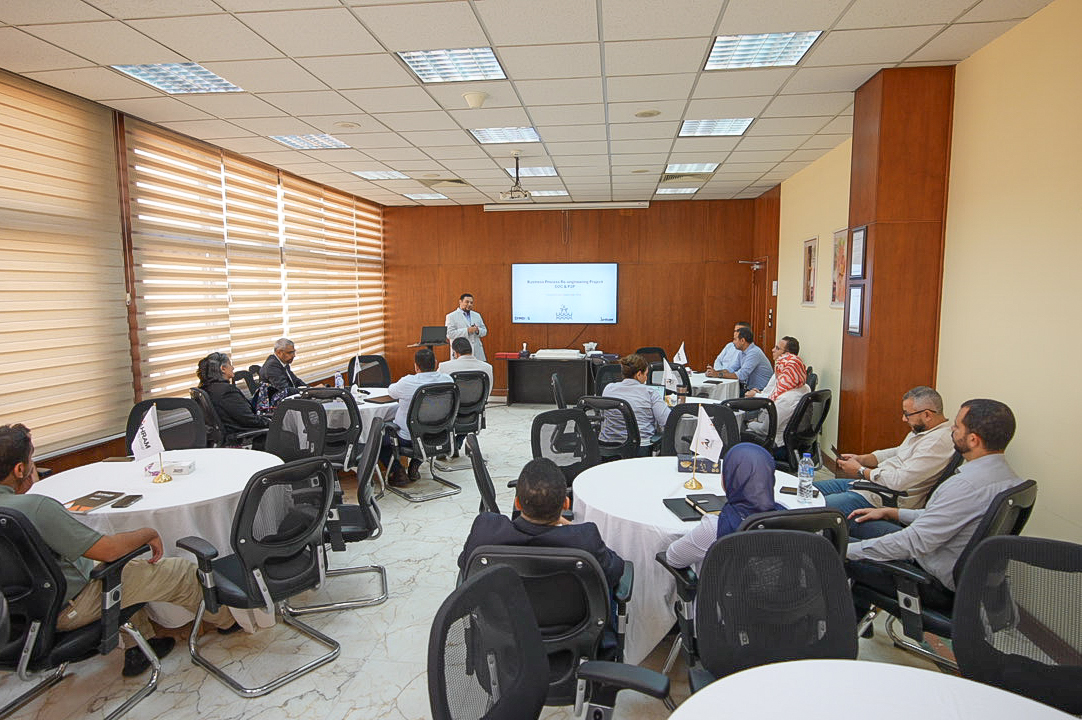
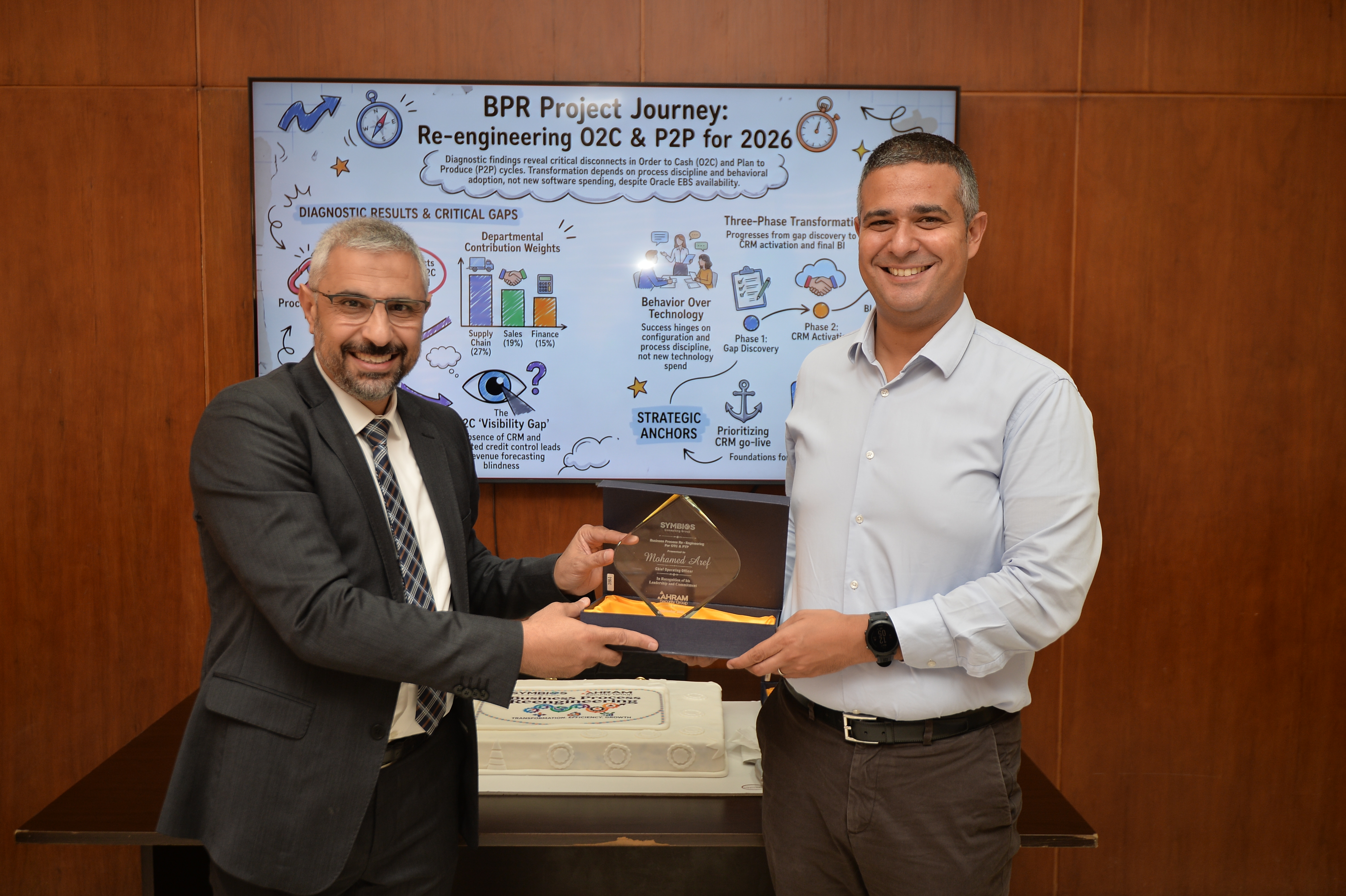
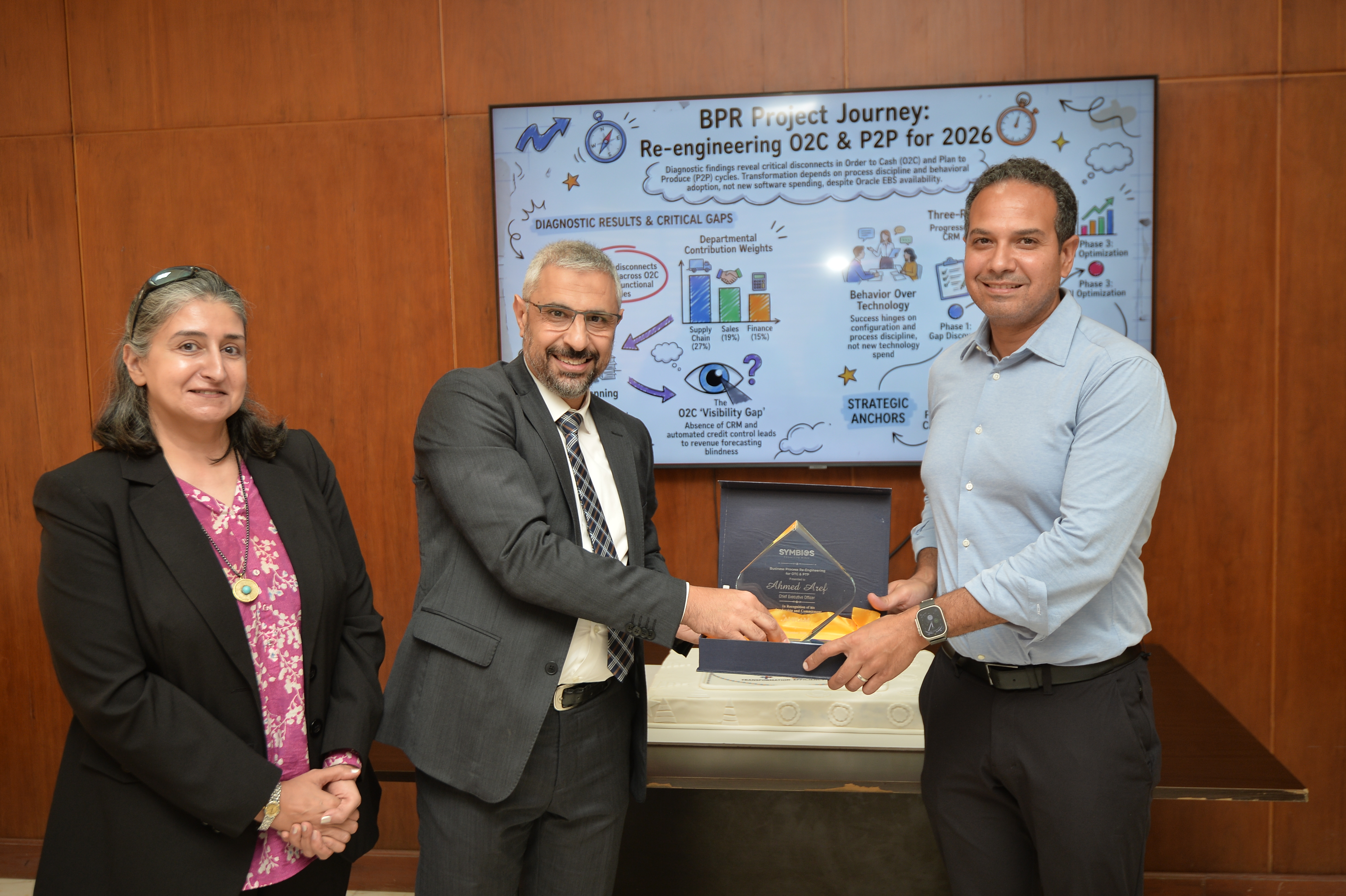
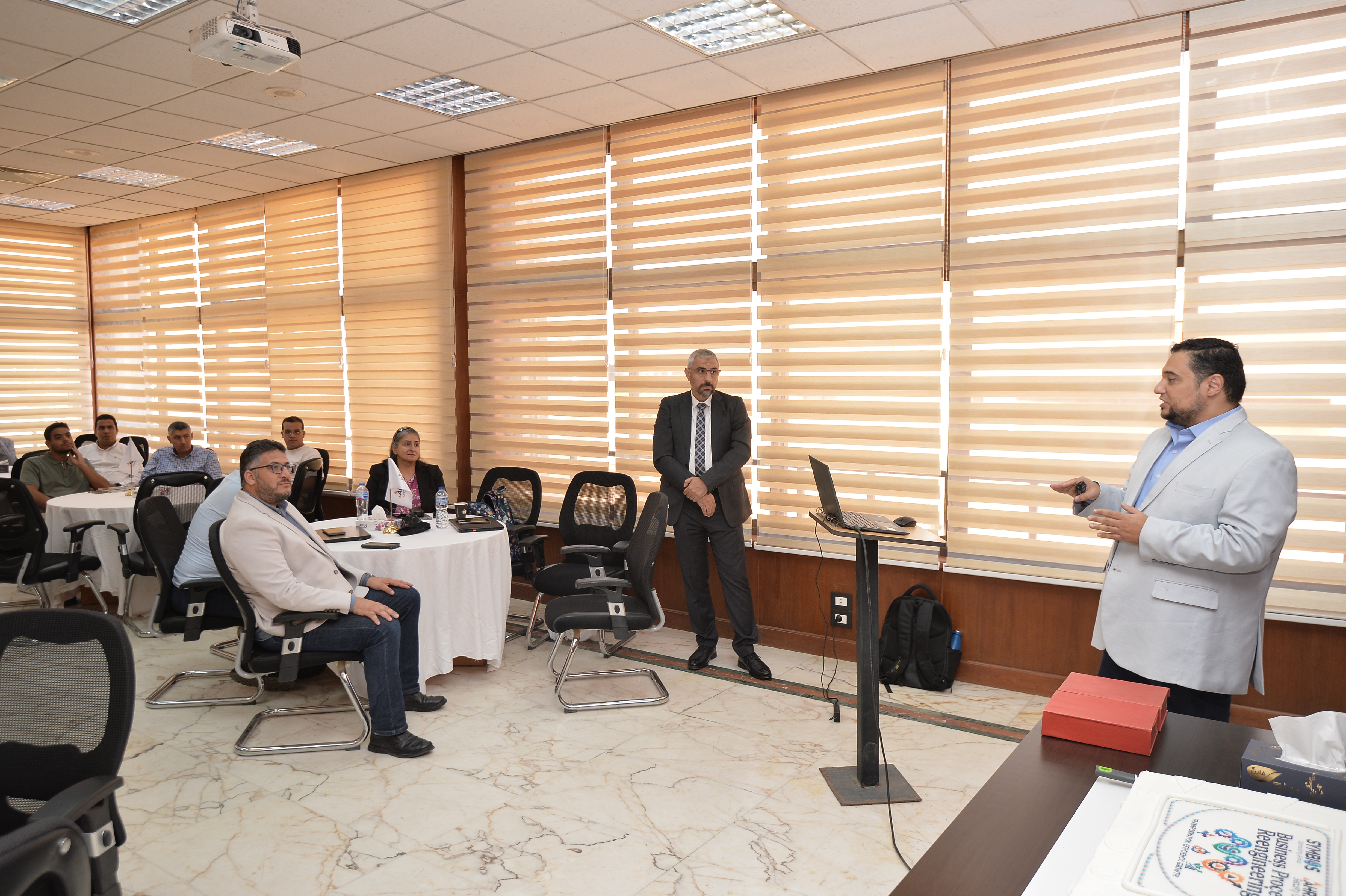
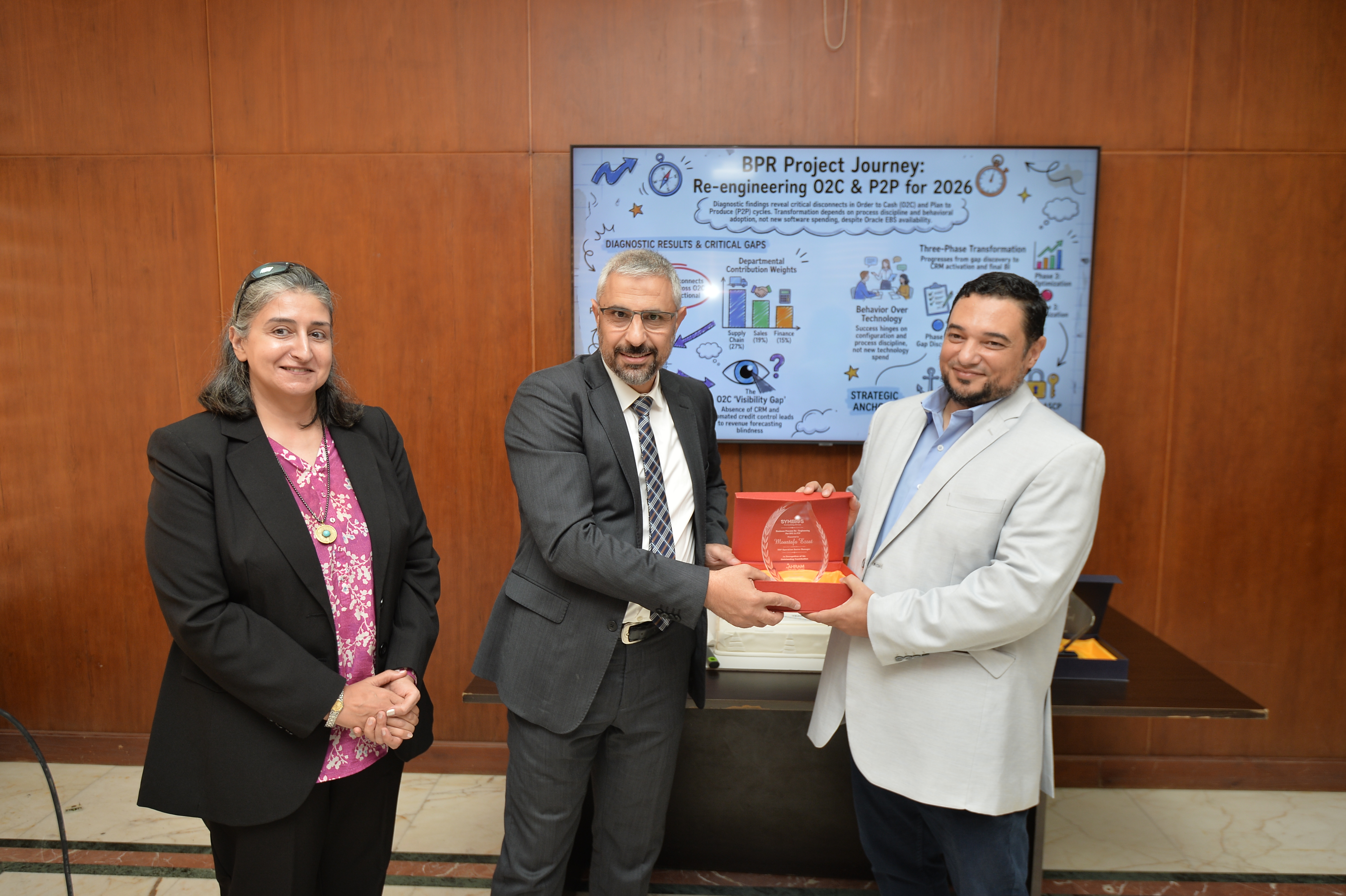
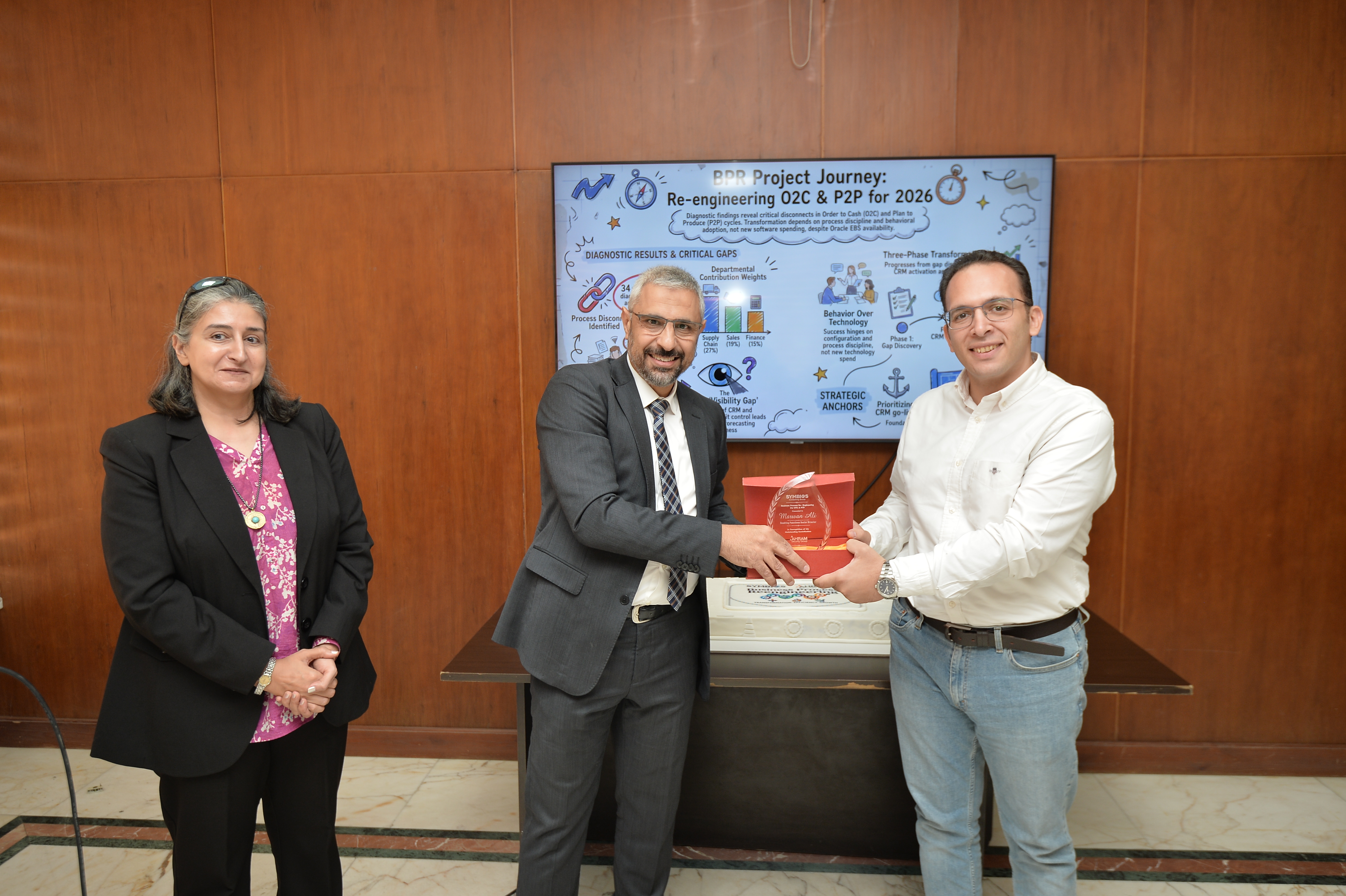
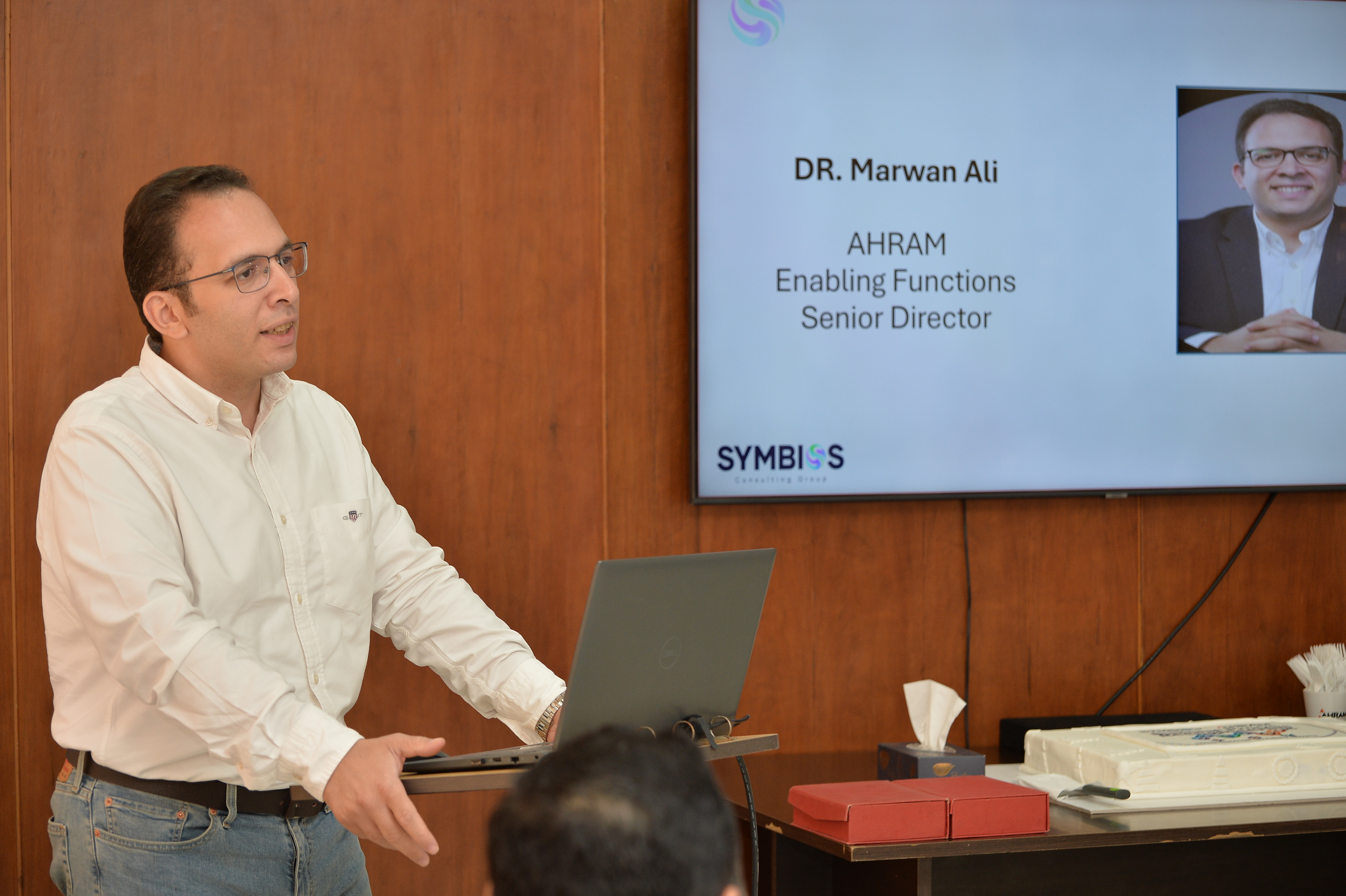
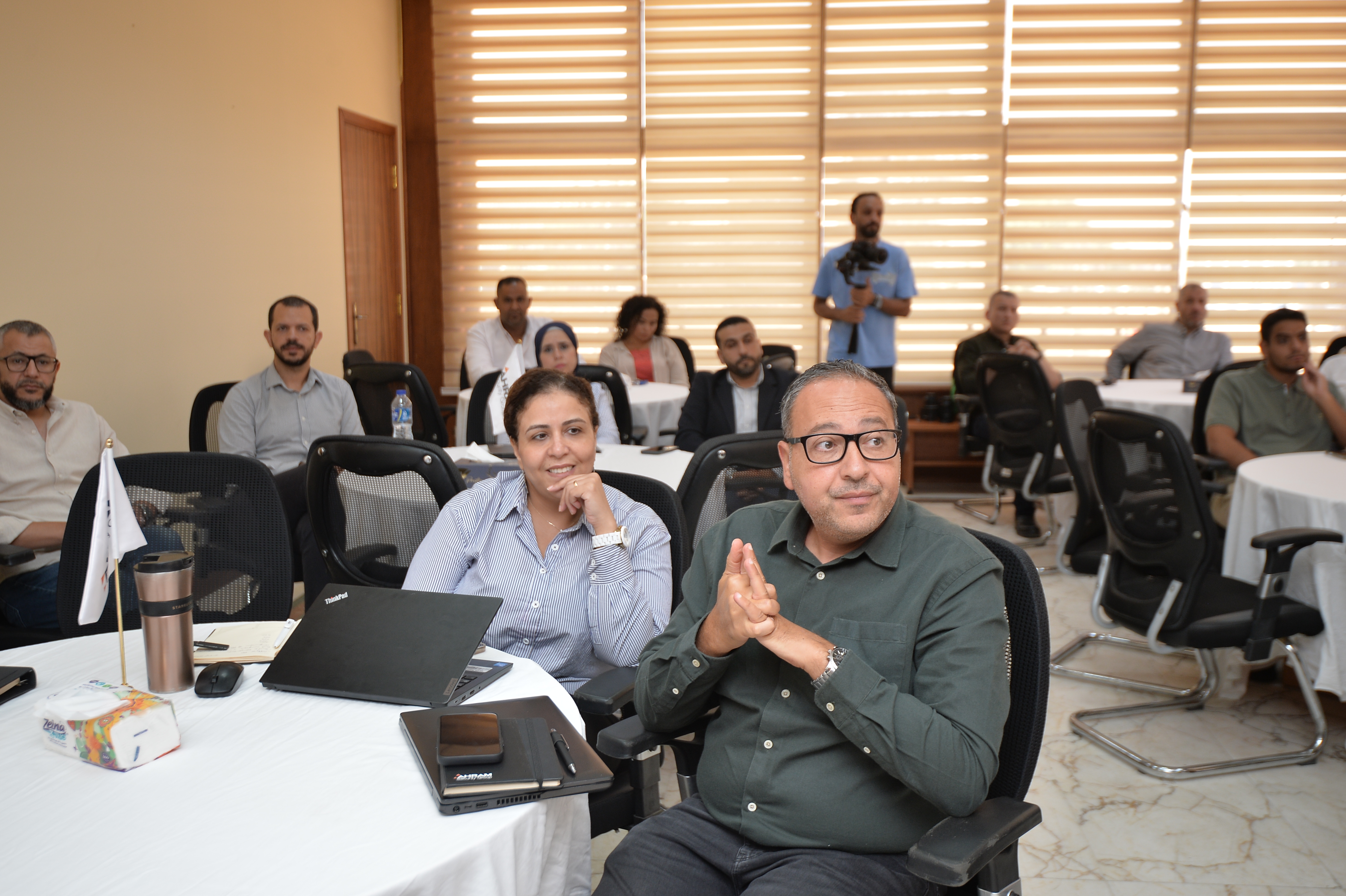
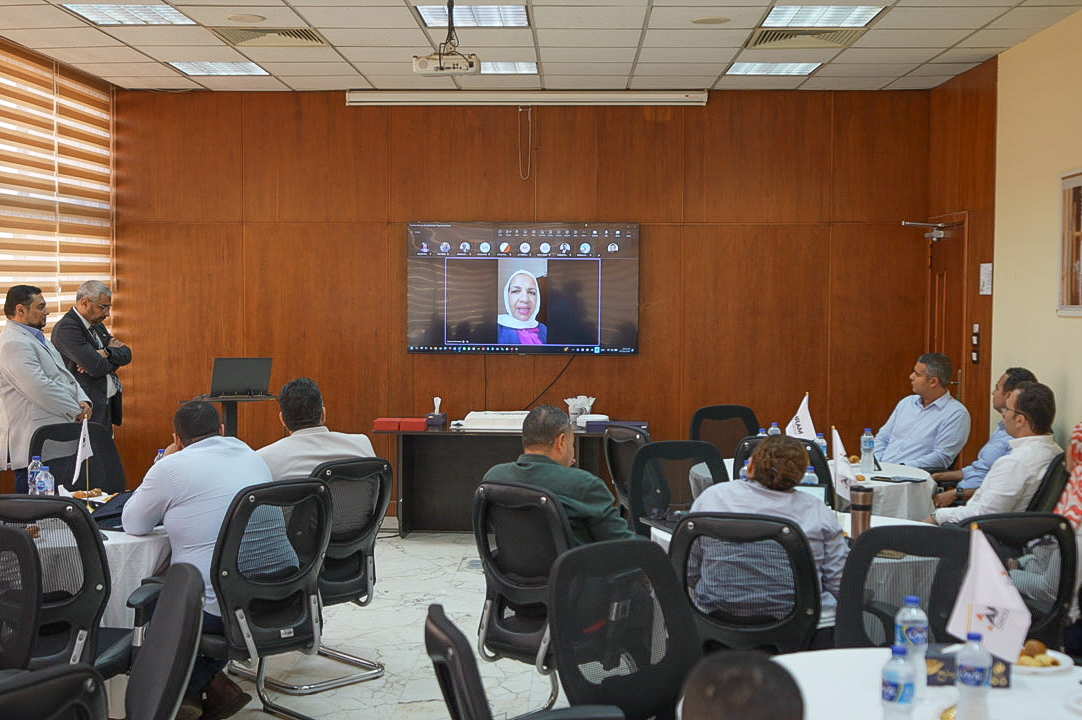
A photographic record of the project closure. Select any photograph to open it at full size.